Greece Island Ferry Strategy for First-Timers
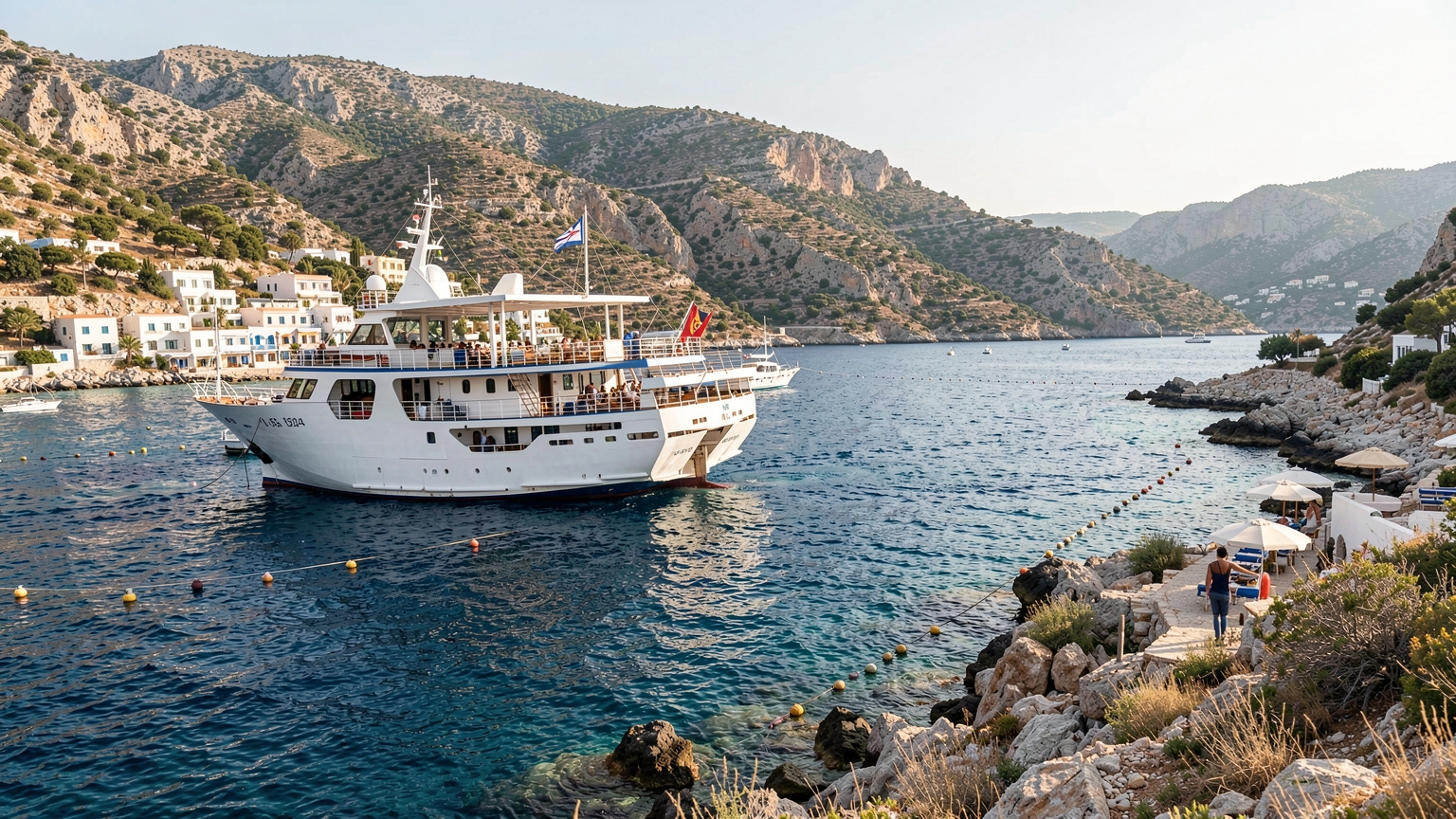
Table of contents
Overview
Greek island travel works best when you pick one cluster and keep ferry days short. The most common mistake is jumping between island groups, which adds long transfers and lost beach time. This guide helps you choose islands that connect well and plan ferry days with less stress.
Route and pacing
Stick to one island group like the Cyclades for short ferry routes. The key is to protect your energy by limiting early mornings and back-to-back long transfers. When the day is built around a single anchor activity, it leaves room for weather shifts and spontaneous discoveries. If you need a tool to estimate costs as you adjust the route, try the Travel Budget Calculator.
Where to stay
Start on a larger island with frequent ferries and good services. A well-located base reduces commute time and keeps you close to food and transit. This also helps you avoid expensive last-minute taxis or rides, especially in the evening. For official tourism information, check local tourism board sites and municipal travel guidance before you finalize bookings.
Budget reality
Fast ferries cost more, so decide whether time or budget matters more. A realistic budget separates fixed costs from flexible costs, so you can adapt without cutting the core of the trip. If you travel as a couple or group, track shared expenses separately to avoid confusion during the trip.
Transport and timing
Book ferry tickets early in peak season and check port locations. Always allow extra time for check-in, transit delays, and weather conditions. If you are using public transport or ferries, check schedules the day before and avoid stacking tight connections.
Local experience tips
Pack light for ferry days because stairs and crowded decks are common. Small daily rituals, like a market visit or a local cafe stop, create a trip that feels richer than a list of attractions. If you want a deeper read on related planning, see this related guide.
A Mykonos to Paros to Naxos route gives variety while keeping travel times short.
Checklist
Confirm whether your ferry arrives at the main port or a secondary one. Run through your checklist two days before departure so you have time to fix anything you missed without stress.
Deep planning notes
When to go and why timing matters
Timing changes the entire experience in Greece. Shoulder seasons usually bring better value and calmer streets. If greece is a priority, check seasonal availability first, then set dates around it. A small shift of one to two weeks can change weather, prices, and crowd levels. For Greece Island Ferry Strategy for First-Timers, prioritize stable conditions and avoid stacking outdoor-heavy days during the most volatile period.
A realistic booking timeline
Lock in the items that define the trip first: transport and your main base. Then fill in flexible experiences later. If you are choosing between greece and islands activities, book the limited-capacity option and keep the rest adjustable. Booking early in Greece often improves cancellation terms and keeps your options open.
Daily rhythm that avoids burnout
A good day plan has one anchor activity and one flexible block. That means you can enjoy a long meal, a scenic detour, or a slow morning without feeling behind. Build your day around a single priority, then stack small moments like markets, viewpoints, or short walks around it.
Transport choices that save time
Transport is where trips lose time. Reduce transfers and avoid late-night arrivals when possible. If you have to choose between a slightly longer ride with fewer changes and a faster but complex route, the simpler option often wins. Short rides between neighborhoods beat cross-city zigzags and keep energy levels steady in Greece.
References and official resources
- Official tourism board guidance for Greece
- Airport or rail operator travel advisories for Greece
- Local government visitor information portals and seasonal updates
FAQ
How many islands are realistic?
Two or three is enough for most trips.
Do I need to pre-book ferries?
Yes in summer. In shoulder season, a few days ahead is fine.
Are fast ferries worth it?
They save time but are more expensive and can be bumpier.
Conclusion
Good trips feel simple because the plan matches your energy, budget, and priorities. Use this guide as a framework, and adjust it to your style so the journey stays comfortable and memorable.